Learning how to create white label seo reports and automate them starts with one decision: treat the report as a product, not a chore. A white label SEO report is the monthly document your client reads under your agency brand. It shows rankings, traffic, and the work done, and it arrives on a fixed date. This post shows how to build that report once, connect it to live data, and let it send itself each month.
The report matters because the client judges the agency on what it can see. A clear report shows the work has a direction. You can see how the finished reports look on our page of white label seo reports. That page shows the format clients receive, with the agency logo on every page.
Quick answer. Build one fixed template, connect it to Google Search Console and Google Analytics 4, set the send date to the 3rd of each month, and review each draft for 15 minutes before it goes out. The five steps below cover the template, the data, the checks, the send, and the review.
What a white label SEO report is
A white label SEO report is a monthly report a partner prepares under an agency brand. The partner does the work and writes the report. The agency logo goes on every page. The client reads it as the agency own work. The report covers one month of SEO work for one client, and it answers three questions: what changed, what was done, and what comes next.
A good report has a fixed shape. The client learns where to look each month, so the report gets read instead of filed away. The shape stays the same, and only the numbers and the work notes change. That fixed shape is what makes automation possible.
The report is not a data dump. The client needs the numbers that show movement, the work that caused it, and the plan for next month. Everything else stays out, or goes in an appendix.
How to create white label seo reports and automate them in five steps
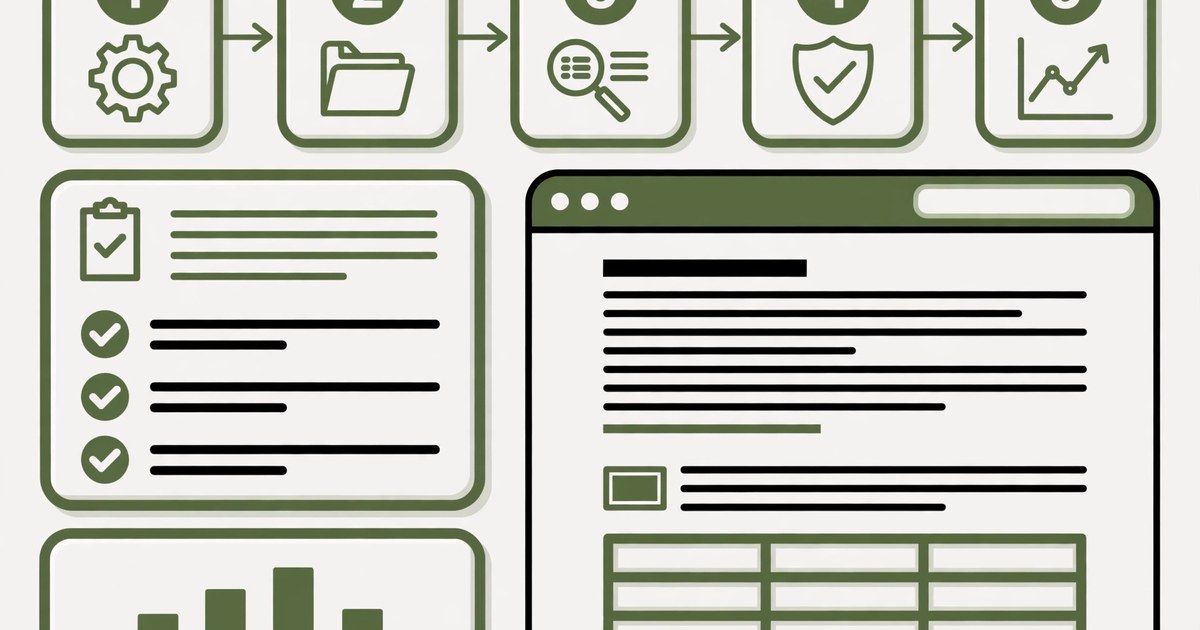
Follow these five steps in order. Each step takes a decision once, so later months run on the same setup. Skip a step and the report will need manual fixes every month, which defeats the point of automating it.
Step 1. Fix the template. Decide the sections, the order, and the charts. Use the same template for every client, with the client name, logo, and date swapped in. A template with six to eight sections is enough. More sections add pages the client will not read.
Step 2. Connect the data sources. Connect Google Search Console for clicks, impressions, and positions. Connect Google Analytics 4 for sessions and conversions. Add rank tracking data for the keyword groups the client cares about. Each source feeds one section of the template, so a missing source leaves a blank section instead of a broken report.
Step 3. Write the plain language rules. Decide how each number is described. A ranking gain of three places gets one sentence. A traffic drop gets one sentence that says what caused it and what will be done. Write these rules down, so the person who reviews the report uses the same words each month.
Step 4. Set the send schedule. Pick one send date and hold it. We deliver the monthly branded report on the 3rd of every month, and a missed deliverable means that month is not charged. A fixed date trains the client to expect the report, and it gives the team a deadline that never moves.
Step 5. Add a human review. Automation builds the draft, and a person reads it before it goes out. The review takes about 15 minutes per report and checks the numbers, the client name, and the work notes. No report goes out without this check.
What goes in the report template
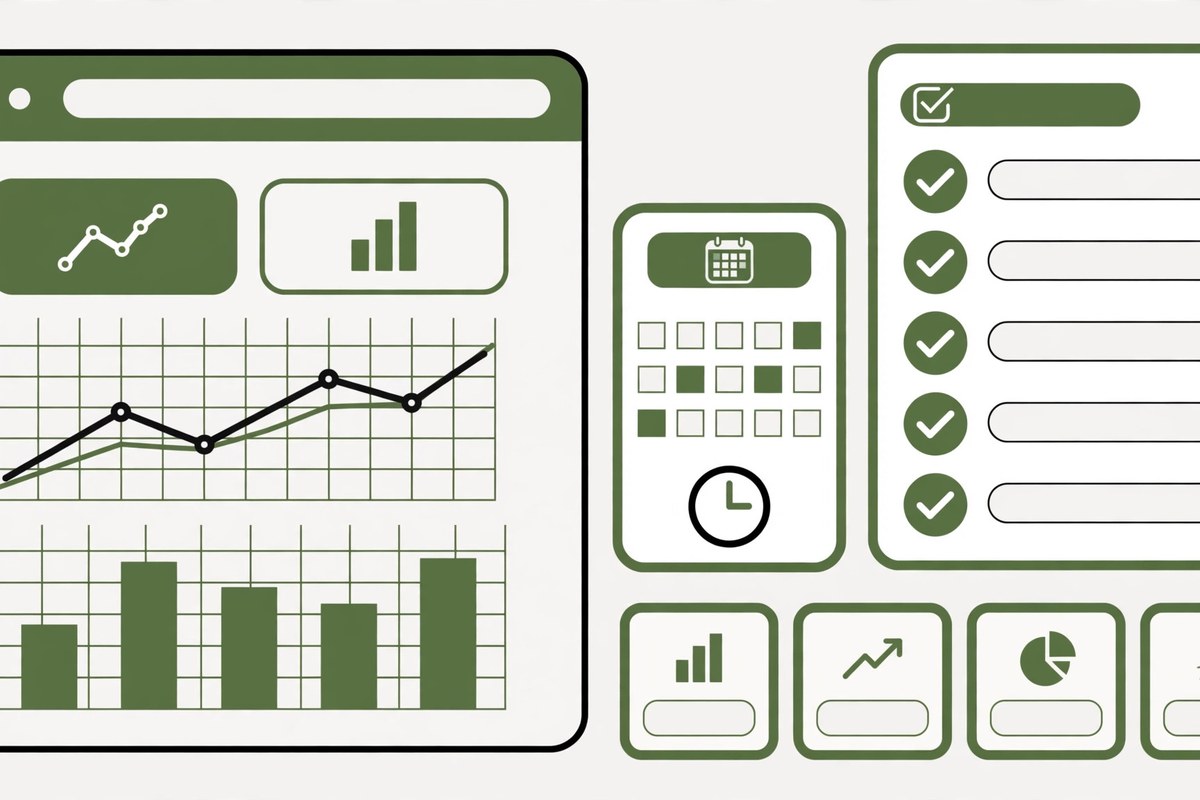
The template below works for most clients, from a local service business to a B2B firm. Each section has one job. Keep the order fixed, so the client learns where to find each answer.
| Section | What it shows | Data source |
|---|---|---|
| Summary | The month in three sentences: what moved, what was done, what is next | Written by the reviewer |
| Rankings | Positions for the keyword groups, with movement since last month | Rank tracking |
| Traffic | Clicks and impressions from search, with the change since last month | Google Search Console |
| Conversions | Calls, form fills, and other goals, with the change since last month | Google Analytics 4 |
| Work done | The pages built, fixes made, and links earned, in plain words | Written by the team |
| Next month | The work planned for the next month, with the reason for each task | Written by the team |
The summary comes first because most clients read only that section. Write it last, after the numbers are in, and keep it to three sentences.
Rankings, traffic, and conversions each get one chart and a short note. The note says what changed and why it matters. A chart without a note leaves the client guessing, and a note without a chart leaves the client with nothing to check the claim against.

How to automate the monthly send
Automation has three parts: the data pull, the report build, and the send. That is the core of how to create white label seo reports and automate them: decide the shape once, connect the data, and let the schedule do the rest. A tool that pulls data but cannot brand the report still leaves manual work, and a tool that brands the report but cannot send it on schedule still needs a person to remember the date.
Start with the data pull. Connect the report tool to Google Search Console and Google Analytics 4, and set the date range to the last full month. Test the pull with one client before you connect the rest. If the numbers in the test report match the numbers in Search Console, the connection is right. For background on how Google reads a site, see the Google SEO starter guide. For how Search Console reports clicks and positions, see the Google Search Console performance report help.
Next, set the build rules. The tool fills the template with the pulled data on the 1st of the month, the reviewer reads each draft on the 2nd, and the report sends on the 3rd. That two day gap is the whole point of the schedule. It gives the team time to fix a wrong number or a missing work note before the client sees it.
Then set the send rules. The report goes to the client contact the agency names, from the agency domain, with the agency logo on the cover. The subject line names the client business and the month, and the email body carries the three sentence summary, so the client gets the point without opening the attachment.
If your agency would rather skip the tool setup, a white label seo report generator can do the pull, build, and send in one place. The rest of this post still applies, because a generator needs the same fixed template and the same human review before the send.
Worked example: what automation saves each month
The example below uses one agency with 12 clients on monthly reports. The numbers are stated as assumptions, so you can swap in your own hours and see the same math. The point is the size of the saving, not the exact hours.
| Task | Manual, per report | Automated, per report |
|---|---|---|
| Pull numbers from Search Console and Analytics | 30 minutes | 0 minutes |
| Build charts and fill the template | 30 minutes | 0 minutes |
| Write the summary and work notes | 20 minutes | 10 minutes |
| Review and send | 10 minutes | 15 minutes |
| Total per report | 90 minutes | 25 minutes |
At 12 clients, manual reporting takes 18 hours a month. Automated reporting takes 5 hours a month. The saving is 13 hours a month, or about 156 hours a year. That is time the team can spend on client work instead of report assembly.
The saving also shows up in the margin. Our Growth plan costs $1,500 a month and agencies commonly resell it at $3,200, which leaves a $1,700 margin. Every hour spent assembling reports by hand comes out of that margin, so a report that builds itself protects it without cutting the service. See the full price list on our pricing page, and the reporting detail in our guide to white label seo reporting for agencies.
Mistakes that make automated reports look careless
Automation fails quietly. The report still sends, but it reads as if no one looked at it.
- Sending the draft without a review. A wrong client name or a blank chart reaches the client, and one bad report undoes months of good ones. The 15 minute review is not optional.
- Reporting every keyword. A 200 row keyword table hides the five keywords the client cares about. Report the groups, and keep the full list in an appendix.
- No plain language. Charts with no notes force the client to guess what changed and why. One sentence per chart is enough.
- Changing the template each month. The client has to relearn the report every time. Fix the template and change it only when the service changes.
- Hiding bad months. A traffic drop with no explanation reads as a cover up. Say what caused it and what will be done. Clients accept bad months, but not silence about them.
Who automated reporting fits and who it does not fit
Who it fits
Automated reporting fits an agency with five or more monthly SEO clients, a fixed service scope, and a team that wants the report to take minutes instead of hours. If your agency sells white label seo services to several clients at once, the same template and schedule work for all of them.
Who it does not fit
Automated reporting does not fit a one off project with a single report, or a client whose scope changes every month. It also does not fit an agency that has no one to do the 15 minute review. A report that no one reads before it sends is worse than a manual report, because the mistakes reach the client faster.
Frequently asked questions
How do I create a white label seo report?
Fix a template with six to eight sections, connect it to Google Search Console and Google Analytics 4, add rank tracking for the keyword groups, and write the summary and work notes by hand. The template stays the same each month, and only the numbers and notes change. Start with one client, check the numbers against Search Console, then roll the template out to the rest.
How long does it take to automate monthly SEO reports?
Setting up the template and the data connections takes a few hours for the first client, then minutes per client after that. The monthly review takes about 15 minutes per report. Most agencies recover the setup time within the first month, because a manual report takes about 90 minutes and an automated draft takes about 25 minutes with review.
What data sources do automated SEO reports need?
Three sources cover most reports: Google Search Console for clicks, impressions, and positions; Google Analytics 4 for sessions and conversions; and a rank tracker for the keyword groups the client cares about. Add GBP data for local clients, and link data only when the month included link work. Each source feeds one section, so a missing source leaves a blank section.
Can an automated report still carry my agency brand?
Yes. A white label report carries the agency logo, colors, and domain on every page, and the client never sees the partner name. The branding is set once in the template. Check the first report for each client carefully, because a logo in the wrong place or a partner name in a footer is the mistake clients notice first.
What happens if the automated data is wrong?
The human review catches it. The reviewer checks the numbers against Search Console, the client name, and the work notes before the report sends. That is why the build happens on the 1st and the send happens on the 3rd. If a number looks wrong, the reviewer fixes the connection or the note, and the report goes out correct.
Set the template once, connect the data, and hold the send date. The report will take minutes instead of hours, and the client will get the same clear document every month. If you want the reports built and sent under your brand, book a 30 minute call. We sign the NDA on the call and can start your first job within 48 hours of the brief.
For the report itself, our white label seo report template guide covers the sections that matter for clients.