A white label seo report template is the structure your monthly client report follows, section by section. It decides what the client sees first, what numbers prove the work, and what happens next. This post gives you the eight sections that belong in every report, a sample executive summary, and the seven mistakes that make reports useless.
The template is free to take. Download the free white label seo report template and use it as the base for your own reports. The parent guide to our reporting is best white label seo reports, where you can see what a finished report looks like.
Quick answer: Every report needs eight sections: cover, executive summary, rankings, traffic and calls, local and GBP, links and content, work completed, and next steps. Lead with what changed and what it means, not with a wall of charts. Send it on the same date each month.
What a report template does, and what it does not do
A template sets the order, the sections, and what counts as proof. It stops each month report from starting as a blank page, and it stops the writer from leading with the metric that looks best that month. A good template makes the report comparable month to month, so the client can see a trend instead of a single snapshot.
A template does not write the analysis, and it does not replace the work. A report built on a strong template with no real work behind it is a blank form with numbers in it. If the work completed section is thin, the template has done its job by showing that clearly. Fix the work, not the template.
The 8 sections every report needs
Use these eight sections in this order. The order matters: the client reads the summary first, checks the proof second, and reads the plan last.
| Section | What goes in it | Why it matters |
|---|---|---|
| 1. Cover | Client name, your logo, the month, and the report date | Sets the brand and the period at a glance |
| 2. Executive summary | Three to five sentences: what changed, what it means, what is next | The only part most clients read in full |
| 3. Rankings | Target keywords, positions, movement, and map pack spots | Shows search visibility, the core of the service |
| 4. Traffic and calls | Sessions, calls, and form fills, split by source | Ties rankings to real enquiries |
| 5. Local and GBP | Profile views, calls, direction requests, and new reviews | Proves the local work for location clients |
| 6. Links and content | New links with URLs, and pages published with dates | Names the work, so it can be checked |
| 7. Work completed | Page names, fixes made, and dates, item by item | The proof the client paid for |
| 8. Next steps | Planned work, dates, and anything needed from the client | Turns the report into a plan, not a history |
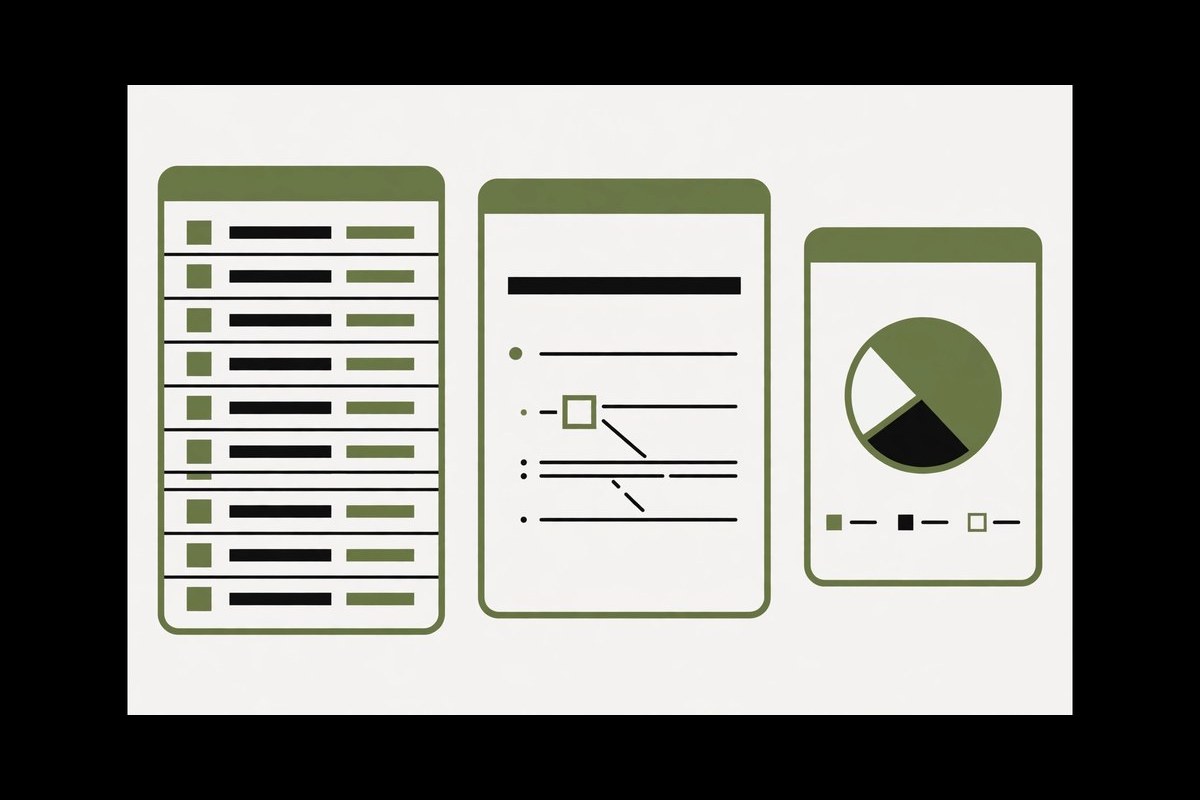
Two sections do the heavy work. The executive summary decides whether the client reads on, and the work completed section decides whether the client trusts the report. Spend your writing time on those two. The charts in between are proof, not the story.
How to write the executive summary
Three to five sentences, no more. Sentence one says what changed. Sentence two says what it means for the client business. Sentence three says what happens next. Numbers go in with their meaning attached, never alone.
Sample summary, with example numbers, not a client result: In October, organic sessions rose 18 percent and calls from the profile rose from 41 to 58. Two service pages moved into the top 3 for their main keywords. Next month we publish the drain cleaning guide and fix the citation errors found on 6 listings.
Three rules keep a summary honest. First, name the pages that moved, not just the keywords. Second, compare with last month and with the same month last year when the data exists, so one good month cannot hide a weak trend. Third, write it for the client owner, not for an SEO. If the summary needs a glossary, rewrite it.
Rankings, traffic and calls: the numbers that matter
Rankings come from a tracker that records position by location and device. Traffic comes from GA4 and Search Console, and the Search Console reports show which queries bring clicks. Calls come from call tracking on the site and the profile. Report all three together, because each one alone can mislead: rankings can rise while calls stay flat, and traffic can rise from pages that never convert.
Show movement with dates. A keyword that moved from position 9 to position 4 in a week means more than a keyword that sat at position 3 all month. Name the page behind each keyword, so the client can open it and see the work. Google documents the markup behind local results in its local business structured data guide, which is worth a read before you report GBP numbers. Our guide to the white label seo dashboard sets out which metrics belong on a live view and which belong in the monthly record.
White label seo report template vs dashboard template
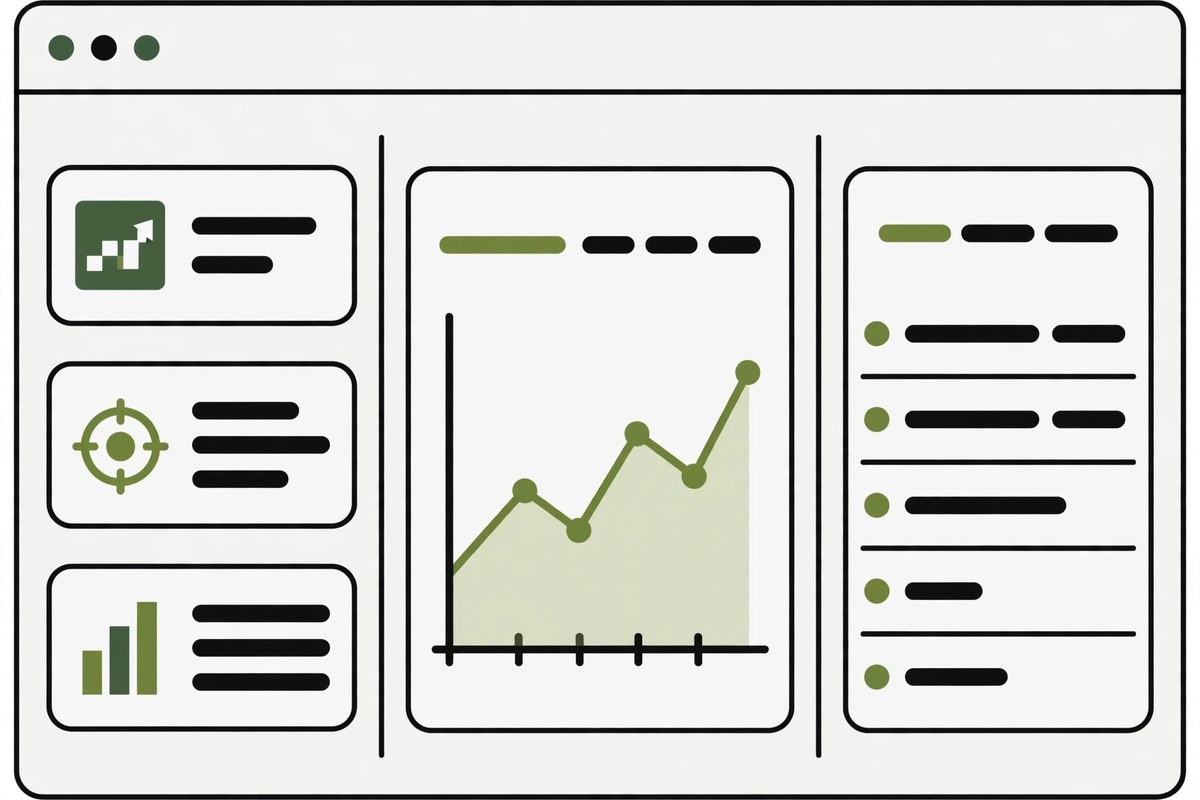
A white label seo dashboard template and a white label seo report template serve different needs, and agencies that mix them up end up with neither. A dashboard is a live view the client can open any day. It shows current rankings, traffic, and calls, and it updates on its own. A report is a monthly record with analysis. It says what changed, what it means, and what happens next, and it is written by a person.
Use both. The dashboard answers the question the client asks on a Tuesday. The report answers the question the client asks at the end of the month: what did I pay for, and what is the plan. Our guide to the white label seo strategy report covers the deeper quarterly format for clients who want the full plan in writing.
The monthly rhythm that keeps reports honest
A report schedule is a promise. Our monthly branded report is delivered on the 3rd of every month, and a missed deliverable means that month is not charged. That rule keeps the schedule honest, because a late report costs us, not the client. Jobs start within 48 hours of the brief, one named account lead handles the account, and our response commitment is 4 business hours.
Set your own rhythm the same way. Pick one date, hit it every month, and say what happens when you miss it. A report that arrives on the 3rd, the 9th, and the 21st in three months tells the client the work is not scheduled. A report that arrives on the 3rd every month tells the client the work is a system.
Seven mistakes that make reports useless
Most bad reports fail in the same seven ways. Check your template against this list before the next send.
- Metrics with no work listed. Rankings moved, but no page names, no link URLs, and no dates. The client cannot check anything.
- Screenshots with no dates. A chart without a period is decoration. Every chart needs its date range printed on it.
- Vanity metrics first. Impressions and sessions lead, while calls and forms hide at the back. Lead with enquiries.
- No next steps. A report that ends with charts is a history lesson. End with the plan and the dates.
- Late delivery with no note. A late report with no message tells the client the schedule slipped and no one noticed.
- Wrong or missing logo. A report under the wrong brand breaks trust in one second. Check the logo on every send.
- Jargon the client cannot read. If the client needs a glossary to read the summary, the summary failed.
Who this template fits and who it does not fit
Who it fits
Agencies that send monthly SEO reports under their own brand and want a structure clients actually read. Freelancers moving from ad hoc updates to a fixed monthly report. Web design agencies adding SEO reporting to a care plan. If your clients ask what they paid for each month, this template answers them.
Who it does not fit
Agencies that report only to an in house SEO team, since a technical audience needs a different format with more raw data. It also does not fit a one page client update, which needs a short email, not an eight section report. Use the right format for the reader.
Frequently asked questions
What should a white label SEO report include?
Eight sections: a cover, an executive summary, rankings, traffic and calls, local and GBP results, links and content, work completed, and next steps. Every number needs the work behind it, with page names and dates, so the client can see what they paid for.
How often should agencies send SEO reports?
Monthly, on the same date each month, so the client learns when to expect it. Our monthly branded report is delivered on the 3rd of every month. A missed deliverable means that month is not charged, which keeps the schedule honest.
What is the difference between a report template and a dashboard template?
A dashboard is a live view the client can open any day, with current rankings and traffic. A report is a monthly record with analysis: what changed, what it means, and what happens next. Use both, and do not confuse one for the other.
Can I put my own logo on a white label report?
Yes. Reports carry the agency logo, and everything is delivered under the agency brand. A signed NDA comes before any client information is shared, and the client deals with you, not with the fulfillment team.
Where can I download a free white label SEO report template?
From our free template page, which gives you the full structure to use as your base. The link is in the intro of this post. Use it as is, or adapt the sections to your own services and your own brand.
Download the free white label seo report template and use it for your next monthly send. If you would rather have the reports written and delivered for you, see our white label seo company services and the white label seo pricing, or book a 30 minute call and we will sign the NDA on the call.