
White label seo reporting is the monthly report your agency sends clients under its own brand. It shows what was done, what moved, and what comes next. Done well, it keeps clients. Done poorly, it creates the very questions it should answer.
This post covers what a good report contains, the process that gets it out on time, and the tools, templates, and done-for-you options behind it. It also covers what to leave out, and how to present weak months honestly.
What a good white label SEO report contains
A client reads a report for one reason. They want to know whether their money is doing anything. Every section should serve that question. If a section does not, cut it.
Our best white label seo reports follow a fixed shape, and the shape below mirrors it. Six sections cover most clients. Add a seventh only when a client asks for it by name.
| Section | What it shows | Why the client cares |
|---|---|---|
| Work done | Tasks finished in the month | Proof that the retainer bought labor |
| Rankings | Keyword positions that matter | Visibility for the terms they sell on |
| Traffic | Sessions and top pages | Whether search sends people |
| Leads and calls | Form fills, calls, bookings | The number closest to revenue |
| Local visibility | Map pack, profile actions | How nearby buyers find them |
| Next month | Planned tasks, in plain words | Proof the work continues |
Keep each section short. One chart, a few lines of plain comment, and the numbers that support them. A 20 page report does not look thorough to a busy owner. It looks unread.
The white label seo reporting process, step by step
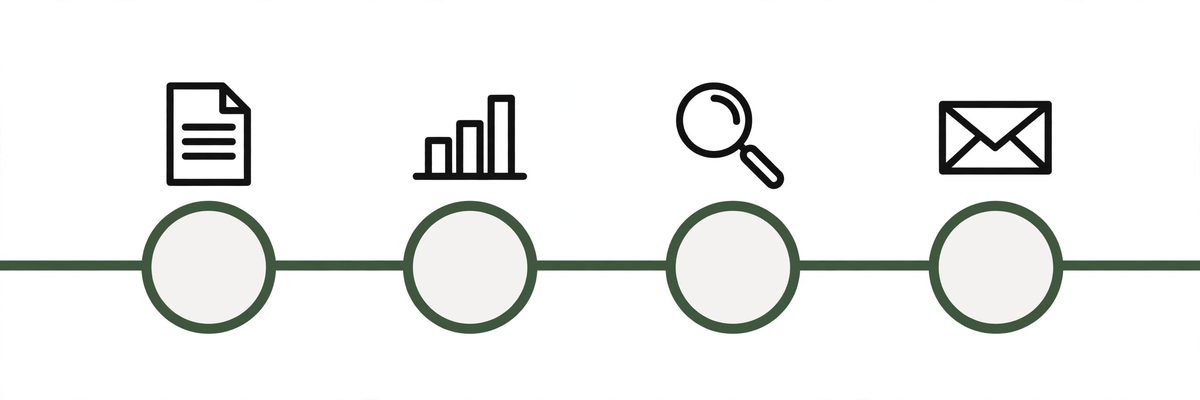
Reports go out late when the process is improvised. A fixed process with timings keeps them on schedule. Ours runs like this.
- Day 1 to 2: pull the data. Rankings, Search Console, Analytics, and profile actions come from their sources, not from memory.
- Day 2 to 3: check the data. Look for gaps, odd jumps, and tracking breaks before anyone writes a word.
- Day 3: write and brand. Add your logo, write the plain comment for each section, and state what happens next month.
- Day 3: send. At WhiteLabelSEO, the monthly branded report goes out on the 3rd of every month, and a missed deliverable means that month is not charged.
Notice the order. Data first, writing second, branding last. Reports written before the data is checked inherit every data error. Reports branded before they are written tend to hide weak sections behind design. The data sources are free and documented: Search Console help and the SEO starter guide explain what each metric means, so your report comments can stay accurate.
Also set the send date in advance and keep it. Clients learn to expect the report on a set day. A moving date reads as disorganization, even when the work itself is sound.
Tools, templates, or a done-for-you service
Three routes produce a white label report. Each fits a different agency shape.
| Route | Best for | Watch out for |
|---|---|---|
| Reporting tool | Agencies with staff to run it | Setup time, seat fees, thin commentary |
| Template | Agencies starting out, or with few clients | Manual data entry each month |
| Done-for-you service | Agencies whose bottleneck is delivery | Less control over wording and layout |
A template is the cheapest honest start. Our best free white label seo reports template gives you the section shape above, free, so you can send a clean report before you buy any tool. A tool pays off when client count grows and manual entry eats hours. A service pays off when you would rather review a report than build one.
Whatever route you pick, keep the report format stable from month to month. Clients compare months. A new layout each month breaks that comparison and hides trends.
How to present results without promising rankings
Never promise a ranking or a date for one. No provider can control what Google shows, and a promise you cannot keep costs more than a weak month. Say what moves results instead, and show the work that moves them.
When a month is weak, say so in plain words, then show the cause you can support. A tracking break, a site change, or a seasonal dip are real causes when the data supports them. Guessing a cause is worse than saying you are still checking. Clients accept an honest gap. They do not accept a confident story that later proves false.
Three sentences carry most weak months. What moved. What the data shows as the likely cause. What happens next month to address it. Anything longer sounds like an excuse. Anything shorter sounds like hiding.
Common reporting mistakes
- Vanity charts with no comment. A chart without a plain sentence under it leaves the client to guess what it means.
- Too many keywords. Tracking 200 terms looks thorough and means nothing. Track the terms tied to services the client sells.
- Traffic without leads. Sessions that never contact the client are not results. Show leads and calls next to traffic, every month.
- Changing metrics each month. A new metric each month stops all comparison. Keep the same set, and add a metric only with a note.
- Late reports. A report that arrives on the 20th answers questions the client asked on the 5th. Send on the set date.
- Blame in the report. Never blame the client in writing. State the blocker, state the fix, and move on.
Reporting checklist you can copy
- Your logo on the cover and on every page footer.
- Work done section lists real tasks, with dates.
- Rankings show the same keyword set as last month.
- Traffic and leads sit side by side, not pages apart.
- One plain comment under each chart.
- Next month section names tasks, not hopes.
- Numbers checked against their source before sending.
- Sent on the set date, to the right contact.
Pair this checklist with the rank tracking view in our post on seo white label rank checking, and with the case for reporting itself in why white label seo reporting is important. Together, the three posts cover why reports matter, what to track, and how to present it.
Who this is not for
White label reporting is not for an agency that wants clients to see raw tool exports. Raw exports shift the reading work onto the client, and clients who must interpret data themselves will judge you on it. It is also not for an agency that will not commit to a send date. A report system without a date is a wish, not a system.
If reporting is your bottleneck, look at the service side. Our white label seo services include the monthly branded report, and our white label seo packages list the plans that carry it. If you want to see the format first, start with the free template linked above.
Frequently asked questions
What is white label seo reporting?
It is a client report produced under your agency brand, by your team or by a provider working for you. It shows work done, rankings, traffic, leads, and next steps. The client sees your logo and your name, never the provider behind the report.
How often should reports go out?
Monthly, on a set date. Monthly fits the retainer cycle and gives each change time to show. Weekly reports add noise and reading work for both sides. A monthly report on the 3rd, as ours runs, sets a rhythm clients can rely on.
What should a report leave out?
Leave out raw exports, vanity metrics with no comment, and keywords tied to nothing the client sells. Leave out blame and internal notes. If a section needs a paragraph of apology to make sense, rewrite the section or cut it.
Can reports carry my logo?
Yes. Branded reports carry the agency logo on the cover and pages. Check that the branding covers scheduled emails too, not just PDFs, and that your logo appears at a readable size on every page, not only on the cover.
What if results drop in a month?
Say so plainly, show what the data supports as the cause, and state what happens next month. Never promise a recovery date or a ranking. Clients accept an honest weak month. They leave over a report that hides one. Put the cause and the next step in the report itself, not in a separate apology email.
The next step is small. Take the checklist above, run it against your last report, and note every line it fails. Then read the free template post, or book a 30 minute call to see a sample report with your agency name on it before you decide.