White label seo tools are software your agency runs under its own brand. A done-for-you service is a team that does the work under your brand instead. Both can work. The right pick depends on your time, your skill, and how many clients you serve.
This post compares the two options side by side. You will see what each one costs, what each one demands from you, and when each one fits. The goal is a clear choice, not a longer tool list.
What white label seo tools are
A white label SEO tool is software that lets you run SEO tasks with your agency name on the output. Rank tracking, site audits, keyword research, and client reports are the common jobs. Your client sees your logo. Your client never sees the tool vendor.
Most tools fall into four groups. Rank trackers watch keyword positions by location and device. Audit tools scan a site for technical problems. Research tools find keywords and show what rivals rank for. Reporting tools turn that data into a branded report or dashboard.
Some tools cover one job well. Others try to cover all four. A tool that tries to cover everything often does one or two jobs weakly, so agencies mix two or three tools into a stack. That stack is the real product you buy. Judge the stack, not a single tool page. Google publishes the basics free, in the SEO starter guide and in Search Console help. Read both before you pay for a tool that claims to replace them.
White label seo agency services take a different route. Instead of a stack you manage, a team runs the work and sends you branded reports. Keep that difference in mind through the rest of this post.
What a done-for-you service covers
A done-for-you service means people do the work. The team handles keyword research, on-page fixes, technical checks, content briefs, link building, and the monthly report. You keep the client relationship and the strategy conversations. The team handles delivery.
At WhiteLabelSEO, the service terms are plain. Work is month to month, with 30 days notice to cancel. There are no setup fees and no annual contract. Each partner gets one named account lead. The response commitment is 4 business hours, and jobs start within 48 hours of the brief. The monthly branded report goes out on the 3rd of every month, and a missed deliverable means that month is not charged.
That last point matters for this comparison. With software, a missed task is your problem to catch. With a service, a missed deliverable has a stated remedy. Ask any provider, software or service, what happens when something slips. Get the answer in writing before you pay.
Software vs service, side by side
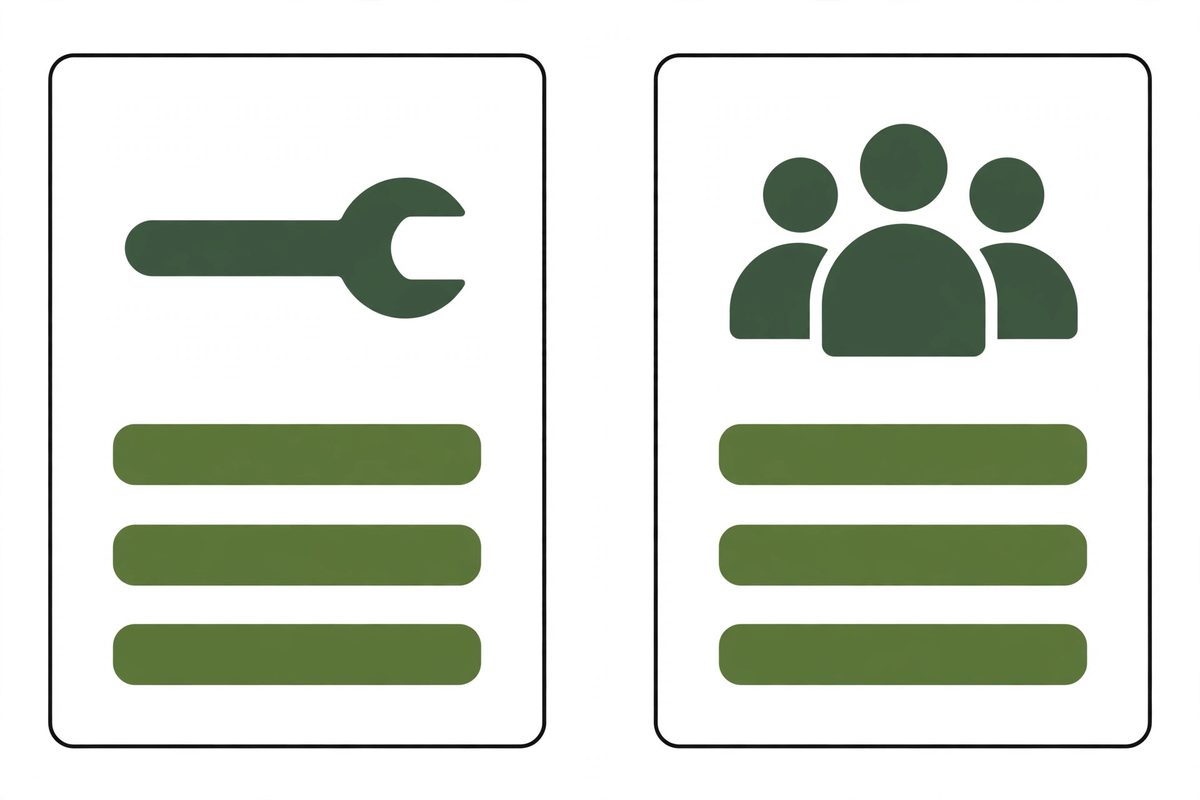
The table below lines up the two options on the points agency owners ask about most. Read it as a trade, not a ranking. Each row trades one strength for another.
| Point | Software you run | Done-for-you service |
|---|---|---|
| Monthly cash cost | Lower. Tool fees only. | Higher. You pay for people plus tools. |
| Your time per client | Higher. You run every task. | Lower. You review and present. |
| Skill needed in house | Real SEO skill on staff. | None beyond client handling. |
| Control over the work | Full. You touch every step. | Shared. You approve, the team delivers. |
| Speed to first result | Slower until your process is set. | Faster. The process already exists. |
| Risk when staff leave | High. Knowledge walks out the door. | Lower. The team stays in place. |
The real cost comparison

Tool fees look small next to a service retainer. That view misses the hours. Count both before you decide.
Take a simple case. A tool stack costs $200 a month in fees. Running it for one client takes 8 hours a month of a skilled person's time. At $50 an hour, that time is worth $400. The true cost is $600 a month, not $200. At 5 clients, the same stack and pace costs $200 in fees plus $2,000 in time, or $2,200 a month.
Now compare a done-for-you plan. Our Growth plan is $1,500 a month. An agency that resells it at $3,200 keeps $1,700 a month in margin, before its own sales and account time. The service looks dearer than the tool fee alone, and cheaper than the tool fee plus your hours once you pass a few clients. Run the same math with your own hour value and client count. The crossover point is different for every agency, and it is the number that should drive your choice.
Also count the cost of learning. A new tool needs setup, templates, and a reporting format your clients trust. That setup time is real, and it repeats each time you swap a tool. A service arrives with its process already built.
When software is the right pick
Software fits when you already have SEO skill in house and you want to keep it. Use this checklist to test the fit.
- Someone on your team can run audits, read Search Console, and act on the findings without outside help.
- You have 5 to 10 hours a month per client to spare, after sales and account work.
- You serve few clients, or your clients need light work only.
- You want full control over every task and every word in a report.
- You plan to keep the same stack for at least a year, so setup time pays off.
If most of those lines are true, software gives you control at a low cash cost. If most are false, software gives you a second job, not a second income.
When a done-for-you service is the right pick
A service fits when delivery is the bottleneck, not sales. The signs are easy to spot. You turn work away, or you deliver late. Clients ask questions your team cannot answer with confidence. Reports go out late, or they go out thin. Hiring a skilled SEO person would cost more than the service, or would take months you do not have.
A service also fits when you sell SEO but your core skill is design, ads, or branding. Your clients still need SEO, and a service lets you offer it without building a new department. You keep the client, the margin, and the brand. The team keeps the delivery.
One caution applies to both options. Do not buy a service to hide weak sales, and do not buy software to hide weak delivery. Fix the real bottleneck first, then pick the option that fits it.
A hybrid setup that works for small teams
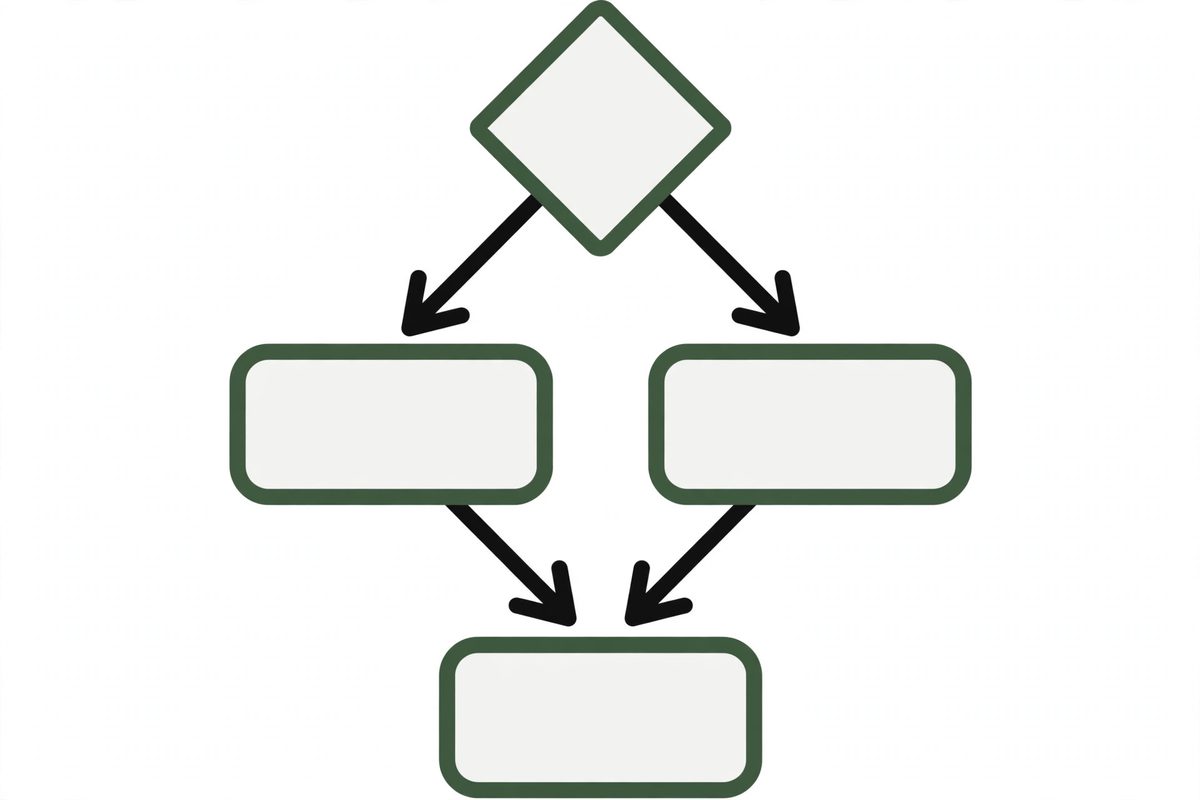
Many small agencies land on a mix. They run one or two tools themselves for rank tracking and quick audits, and they hand full delivery to a service for clients on monthly retainers. That mix keeps costs low while delivery stays steady.
A workable split looks like this. You run the rank tracker, so you always know where a client stands. The service runs research, on-page work, content briefs, and links. You present the monthly report, which carries your logo. The service writes it. You stay close to the client without doing every task.
If you go this route, keep one rule. One person owns the client view of results. Either you own it or the service owns it, but not both. Two owners means two stories when a client asks why a number moved.
Who this is not for
Software alone is not for an agency with no SEO skill and no time to learn it. A service is not for an agency that wants to touch every task itself and will not accept a shared process. Both options fail when the agency sells work it has not scoped. Scope the job, price the job, then pick the delivery route.
If you are still unsure, start with the free asset, not a purchase. Our free white label seo report template shows the shape of a client-ready report. Build one report by hand for a real client. The time it takes tells you more than any tool page will.
Frequently asked questions
Do white label seo tools replace an SEO team?
No. Tools collect data and format reports. They do not plan, write, fix, or judge. A team supplies judgment and labor. Tools make a skilled person faster. They do not make an unskilled process good. Buy tools to speed up work your team already does well, not to replace skill your team lacks.
What do white label seo tools cost per month?
Fees vary by tool and seat count, so check current pricing on each vendor page before you budget. Count fees plus your hours, as shown above. The fee alone understates the true cost for most small agencies. A stack of two or three tools also adds setup and upkeep time, which belongs in the same total.
Can I put my logo on tool reports?
Most white label tools allow your logo on reports and dashboards, but the exact options differ by plan. Check the branding options on the plan you would buy, not the top plan page. Also check whether your logo appears on scheduled emails, not just on PDFs.
Do I need more than one tool?
Often, yes. One tool rarely covers rank tracking, audits, research, and reporting at the same depth. A stack of two or three tools is normal. Keep the stack small. Each extra tool adds setup, logins, and a report format to reconcile.
Software or service for a new agency?
Start with the constraint. If you have skill and few clients, software keeps cash costs low. If you have clients and no delivery team, a service protects your reputation while you sell. Review the choice each quarter as client count changes.
The next step is simple. Run the cost math above with your own numbers, then look at white label seo software for agencies for a closer look at picking a stack, or read our white label seo plans to compare service pricing. If you want to talk it through, book a 30 minute call and we will walk through your client count and hours together.
For a shortlist of tools to compare, the best white label seo tool guide ranks free and paid options by job.
If you want one system to run it all, the white label seo platform guide explains what a platform covers and where it stops.
For tools with client ready branding, the seo tools with white label guide lists what to check before you pay.