
A white label seo platform is software that lets an agency show SEO results under its own brand. It usually covers branded reports, a client dashboard or portal, and sometimes a widget that can sit on the agency site. The agency keeps the client relationship. The platform supplies the display layer.
This post is for agency owners deciding between a platform, a tool stack, and done-for-you delivery. You will get what a platform usually covers, where it stops, a decision table, and a worked margin example. For the wider tool choice, start with white label seo software for agencies.
Quick answer: buy a platform when your team already does the work and needs a branded display layer. Buy done-for-you delivery when the work itself, not the display, is the bottleneck.
What a white label seo platform is
Think of a platform as the front of the service. Clients log in, or receive a report, and see the agency brand. Behind that front, someone must still do the keyword research, the on-page work, the content briefs, the link work, and the reporting narrative. A platform does not supply that labor on its own.
Platforms differ in scope. Some focus on reports alone. Some add rank tracking and site checks. Some add a client portal with seats and roles. A few add a white label seo widget for embedding a report or a rank view on the agency site. The scope matters more than the sales page, since a report-only tool cannot fix a delivery gap.
Check the platform the way a client will use it. Open a full report, open the dashboard, and open any portal page a client can reach. If any page shows the platform maker name, the label fails at the exact point the client looks.
What the platform usually covers
Most platforms cover the same core set, with different depth in each area. Use this list as a test sheet when you trial a platform.
| Area | What to check | Why it matters |
|---|---|---|
| Branded reports | Logo, colors, and no maker branding in footers or file names | Clients judge the agency by the report they receive |
| Dashboard | Rankings, traffic, and tasks in one view the client can read | A confusing dashboard creates support work for the agency |
| White label seo portal | Client seats, roles, and what each seat can see | Clients must not see other clients or agency admin pages |
| Rank tracking | Keywords, locations, and devices tracked per client | Reports need positions the client can verify |
| Report sends | Scheduled sends from the agency domain or sender | A maker sender name breaks the brand at delivery |
Ask about limits too. Seat counts, client counts, report sends, and tracked keywords often carry separate limits. A platform that looks cheap on the base plan can cost far more once every client is added. Count the full client list before you compare plans.

Where a platform stops
A platform stops at the work itself. It can show rankings, but it cannot improve a page. It can list issues, but it cannot fix them. It can send a report, but it cannot write the narrative that explains what changed and what happens next.
That gap shows up in three places. First, strategy: someone must choose keywords, pages, and priorities for each client. Second, delivery: someone must do the on-page work, briefs, and outreach, and check the result. Third, client care: someone must answer the client question, own a missed deadline, and keep the retainer alive.
Agencies that buy a platform expecting delivery often end up with a clean dashboard and the same delivery backlog. The dashboard makes the backlog visible. It does not clear it. If your team has no hours for delivery, a platform alone will not solve the problem.
Platform or done-for-you delivery: a decision table
Use this table to match the buy to the bottleneck. Finding a white label seo platform is the right search when the bottleneck is display. It is the wrong search when the bottleneck is delivery.
| Situation | Platform fits | Done-for-you delivery fits |
|---|---|---|
| Team does the work, needs branded reports | Yes, buy the display layer | Not needed for delivery |
| No team hours for SEO delivery | No, it adds a tool to manage | Yes, delivery is the bottleneck |
| Many clients, one report format | Yes, if sends and seats scale | Yes, if reports must be written per client |
| Clients ask who does the work | Only with a delivery team behind it | Yes, with a named account lead |
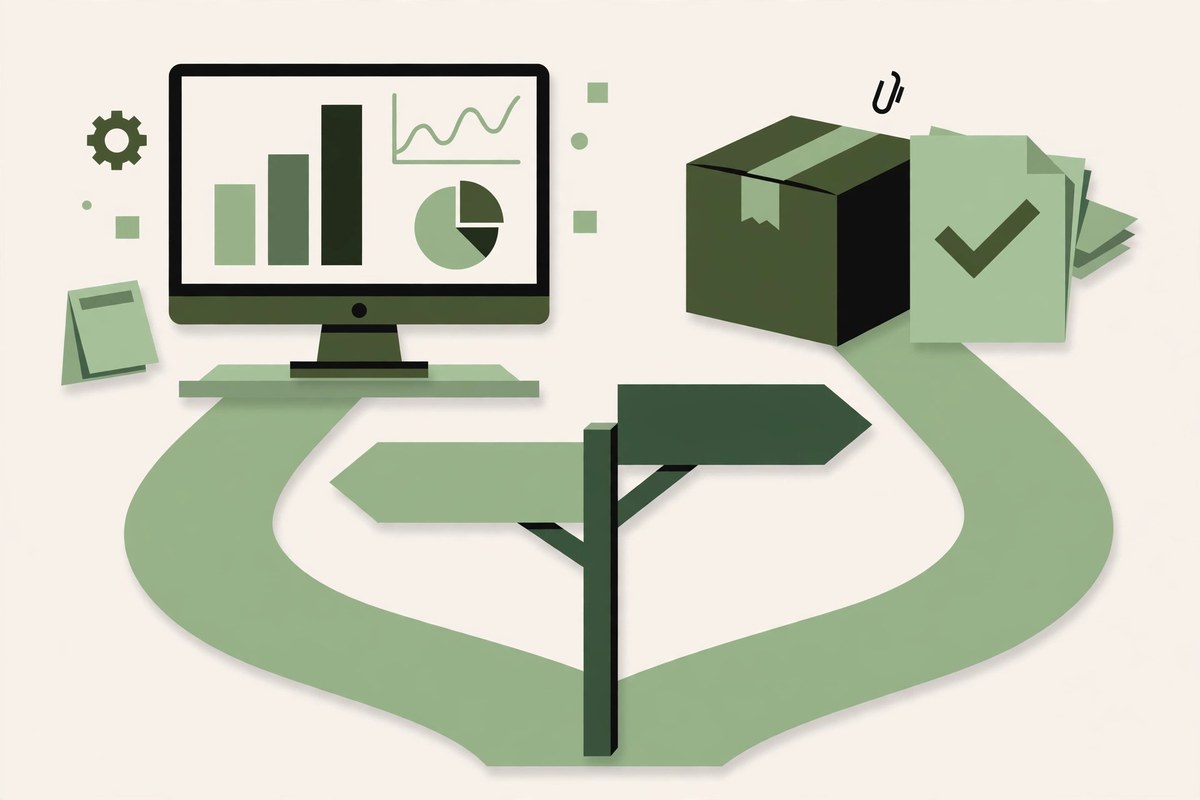
Many agencies run both. The platform supplies the branded display, and done-for-you delivery supplies the work and the report narrative. That mix works only when roles are clear: the platform shows, the delivery team acts, and the agency owns the client conversation.
WhiteLabelSEO sells done-for-you delivery, not a self-serve platform login. Reports carry the agency logo. One named account lead owns each partner account, with a 4 business hour response commitment and jobs starting within 48 hours of the brief. The monthly branded report arrives on the 3rd of every month, revisions are included, and a missed deliverable means that month is not charged. See the service scope on white label seo agency.
Questions to ask before you sign for a platform
Ask these questions in the trial, and test the answers in a real client account, not in sample data.
- Does every client facing page carry our brand only, including footers, file names, and sender names?
- How many seats, clients, tracked keywords, and report sends does the plan include?
- Can a client open the dashboard and the report without a new login or a maker account?
- Who writes the report narrative, and who owns a missed deadline?
- What is the notice period, and what happens to client data if we leave?
Run one full cycle in the trial: add a real client, set up tracking, send a full report, and read it as the client would. That cycle surfaces branding leaks, seat limits, and confusing views that a sales demo hides. For source guidance on search visibility, see Google Search Console help and the Google SEO starter guide.
What the margin looks like: platform cost versus delivery cost
Do not compare a platform fee to a delivery fee as if they buy the same thing. A platform fee buys display. A delivery fee buys work, reporting, and ownership of deadlines. Compare each one to the resale it supports.
Take the Growth delivery plan at $1,500 per month in partner cost. Resell it at the typical $3,200 per month. The margin is $1,700 per month per client. Two clients at that level give $6,400 in resale against $3,000 in partner cost, which leaves $3,400 per month before the agency's own time and overhead.
See the full posted plans on white label seo packages. A related tool guide, white label seo audit tools, covers how to test audit software in the same trial-first way.
Who this is for, and who it is not for
A platform fits agencies with a delivery team that needs a branded display layer, and agencies that want one report format across many clients. It also fits agencies that already write report narratives and want sends and dashboards handled by software.
A platform does not fit an agency with no delivery hours, an agency that wants someone else to own deadlines, or an agency that needs strategy and content work done for clients. In those cases, done-for-you delivery is the honest buy, with a platform added later only if the display still needs it.

Frequently asked questions
Which seo platforms offer white label reporting?
Several SEO tool vendors offer white label reporting, and the list changes as plans change, so check the current vendor page before you buy. Confirm logo use, domain or sender branding, seats, client limits, and report sends. Test one full report in a trial, and read it as a client would.
Does a white label seo platform do the SEO work?
No. A platform displays rankings, traffic, and site checks under the agency brand, but it does not do keyword research, on-page work, content briefs, or outreach on its own. Someone must still choose priorities, do the work, and write the report narrative for each client.
What is the difference between a platform and a tool?
A tool usually covers one job, such as rank tracking or audits. A platform covers several jobs in one branded system, often with a client portal, seats, and scheduled report sends. Judge a platform on the full client cycle, not on one feature, since a weak portal can undo strong reports.
Can a platform replace a white label provider?
Only when the agency already has the team hours for delivery, strategy, and client care. A platform replaces the display layer, not the labor. Agencies with no delivery hours still need done-for-you work, with a platform as the reporting layer only if they want one.
What should I test in a platform trial?
Add a real client account, set up tracking, send a full report, and open the dashboard as the client would. Check footers, file names, sender names, seat limits, and report sends. A trial with sample data alone hides the branding leaks and limits that matter most.
Book a 30 minute call to compare a platform buy against done-for-you delivery for your client list. Use Book a 30 minute call, and bring the bottleneck you want solved first: display, delivery, or both.