Rank checking answers one question a client asks every month: where do we stand for the terms that bring in business? SEO white label rank checking tracks a set of keywords, records their positions in search results, and turns the movement into a report the client can read under your brand. Done well, it gives the agency a trend to discuss and the client a reason to stay. Done badly, it gives the client a single number that jumps around and causes panic.
Quick answer: Track a small set of money terms, by location and by device, and report the trend over months, not the position on one day. Show the client the rank chart, the work behind it, and the next steps, all under your brand.

What seo white label rank checking tracks
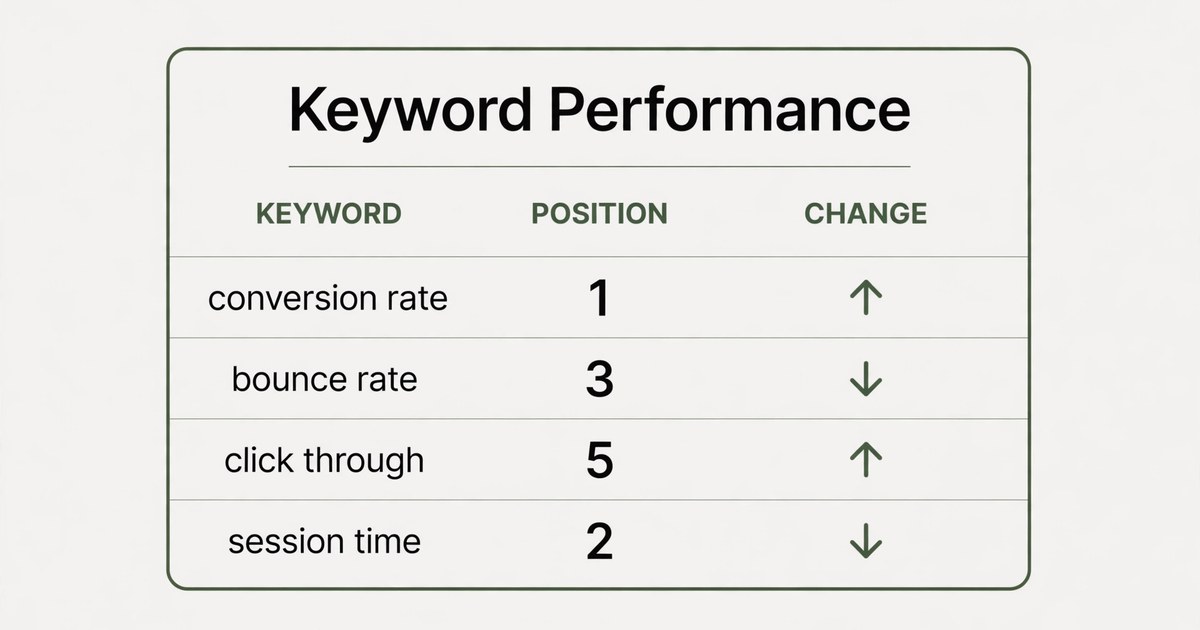
Rank checking tracks the position of a chosen keyword in search results for a chosen location and device. A seo white label ranking tool records those positions over time, so the agency can see whether a term moved up, down, or stayed flat. The label "white label" means the tracking report carries the agency brand, not the tool maker name, when it reaches the client.
Four fields define every tracked term. The keyword itself, such as a service plus a city. The location, such as the city or service area the client serves. The device, mobile or desktop, since results differ between them. The date, so movement can be read as a trend. Without any one of those fields, a position number is hard to trust and harder to explain.
Pick terms that match money, not vanity. A term that brings calls and bookings matters more than a term with high search volume and no buyers behind it. A small set of 10 to 30 money terms per client beats a list of 200 terms no one reads. The client report should show the money terms first and the rest, if at all, in an appendix.
Rank data feeds the monthly report. Read the white label seo reports page for how rank movement sits beside work done and next steps in one branded document.
Why location and device change the number
The same keyword can rank differently in two cities, and differently on a phone and a desktop. A client in one city sees one result. A client in a nearby city sees another. A phone search near the business can show a map pack the desktop search does not show. Report one number without location and device, and the client will find a different number on their own phone and lose trust in the report.
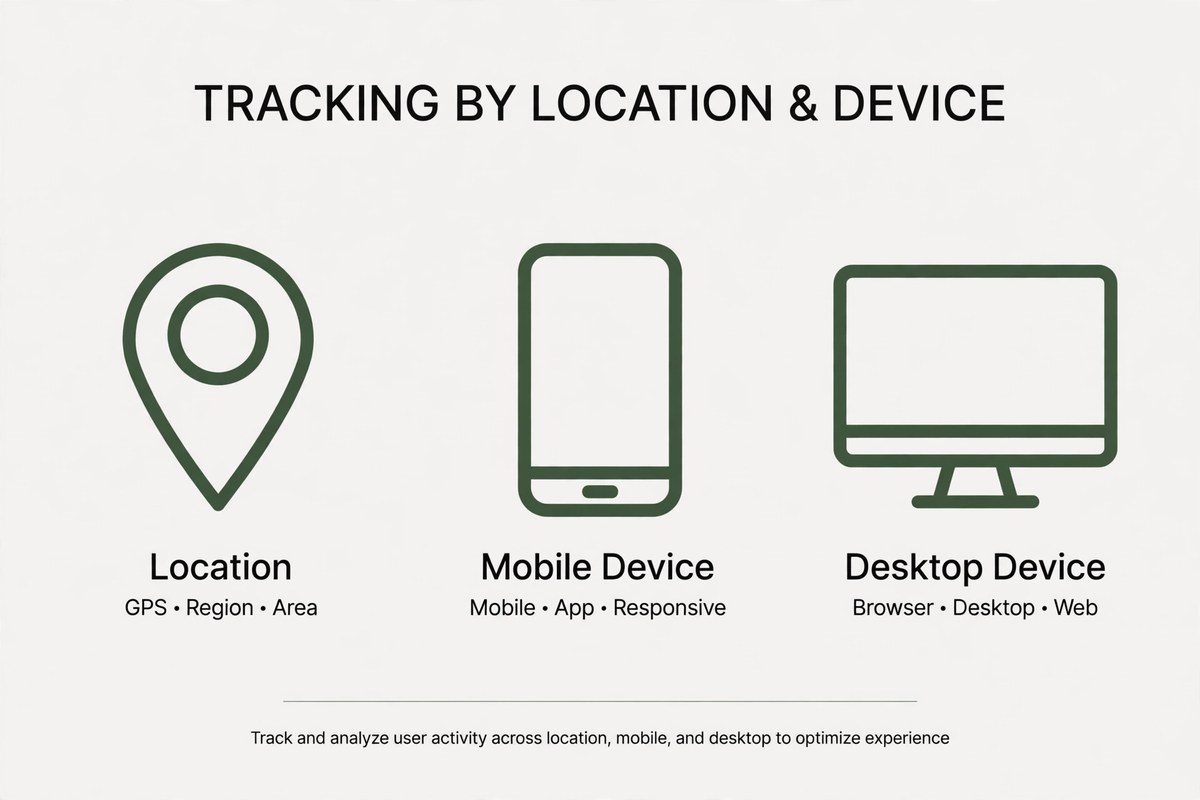
Set the location to the area the client actually serves, not to a national default. Set the device mix to match how the client customers search, which for local businesses is often mostly mobile. Record both settings in the report, in plain words, so the client can repeat the check and see the same kind of result. A seo white label keyword competition view can also show which rivals rank beside the client, but keep that view as context, not as the headline. The client headline is their own trend.
How to read rank moves without panic
Ranks move every day. A term can drop two places for a week and return without any change to the site. Search results shift with new pages, new rivals, and changes to the search engine itself. A single day move means little. A trend over 4 to 12 weeks means much more.
Read moves in three bands. A move of 1 to 2 places is noise in most cases. Note it and keep watching. A move of 3 to 5 places deserves a check: did a page change, did a rival publish, did a listing change? A move of more than 5 places, or a term leaving the first page, deserves a fix plan and a note to the client before the monthly report, so the client hears it from the agency first.
Never promise a position. No provider can promise a rank, and a report that implies one will break trust when the rank moves. Promise the work, the tracking, and the honest reading of the trend. That promise can be kept every month, in good months and bad ones.
| Move | How to read it | What to do |
|---|---|---|
| 1 to 2 places | Normal movement | Note it, keep watching |
| 3 to 5 places | Worth a check | Check pages, rivals, listings |
| More than 5 places | Needs a plan | Fix plan, tell the client first |
| Off the first page | Needs attention | Fix plan before the next report |
What to show clients in the monthly report
Show the client three things, in this order. The trend chart for their money terms, with dates on it. The work done that month that connects to those terms, such as pages, content, and fixes. The next steps for the terms that slipped or stalled. That order keeps the client reading past the chart.
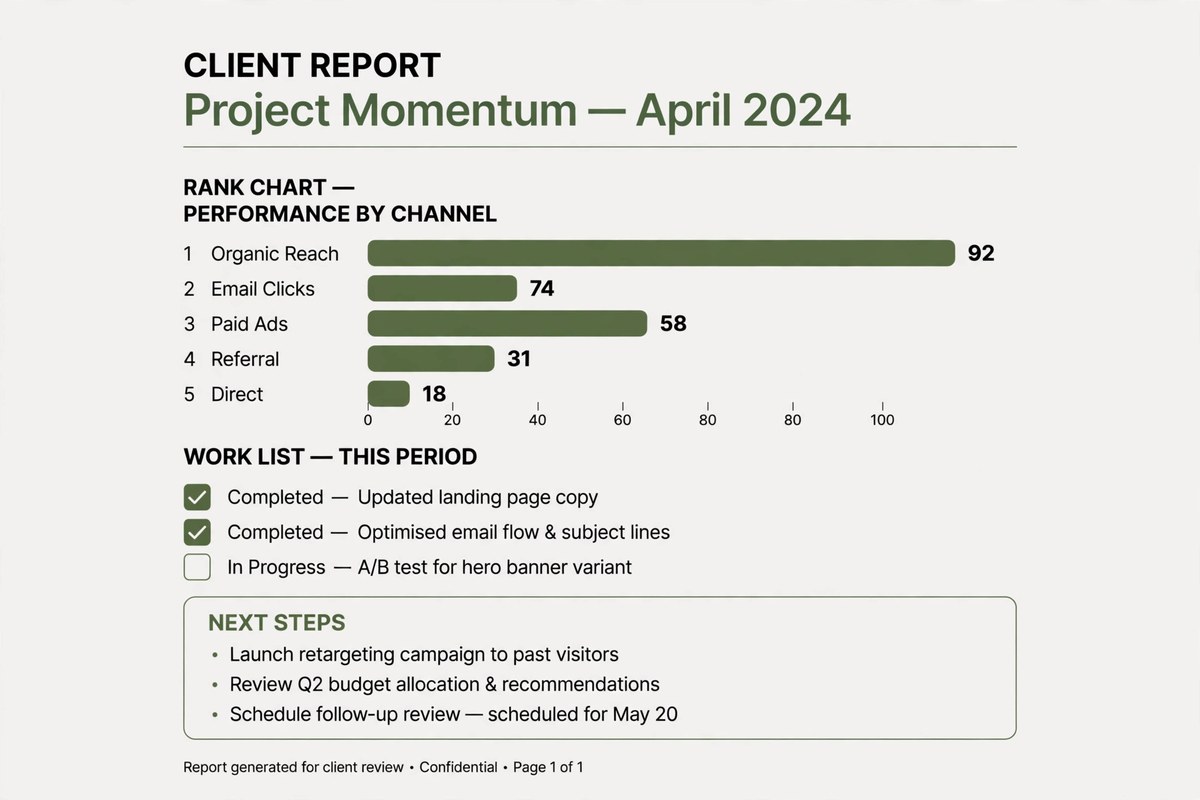
Do not show the client a raw export. A raw export lists every term, every location, and every device on one long page. No client reads it, and no client can tell what matters in it. Pick the money terms, pick one location view, and write one plain sentence under the chart: what moved, why it may have moved, and what happens next.
A white label seo rank tracker report should carry the agency logo and the agency name throughout. The client hired the agency, and the report should prove the agency watches their terms every month. If the tool report shows the tool maker brand, check whether branding needs a higher plan before the report reaches a client.
Setting up tracking for a new client
- List 10 to 30 money terms with the client, not terms picked alone.
- Set one location per client site or service area, and note it in the report.
- Track mobile and desktop separately, and lead with the device the customers use.
- Record a baseline in the first week, before judging any move.
- Check ranks on a fixed rhythm, weekly for the agency and monthly for the client report.
- Keep the same keyword list for at least 3 months, so trends can be read.
- When a term is added or dropped, note the date, so the chart stays honest.
Some tools offer a free tier, and a seo white label rank checking free plan can suit a first test with one client. Check what the free tier limits before you rely on it: number of terms, locations, devices, and history length. A free tier that drops history each month cannot show a trend, and a trend is the whole point of tracking.
Read the why white label seo reporting is important guide for how rank data fits the monthly report, and the white label seo analysis tool guide for how scans and rank data work together. The white label seo audit tool guide compares tool features before you buy.
Who this fits, and who it does not
Rank checking fits any agency with monthly SEO or local SEO clients. It fits agencies that need a trend to discuss on client calls. It fits local businesses whose customers search by city and by service, since location tracking shows the result those customers actually see.
It does not fit a one time project with no monthly work, since there is no trend to track. It does not fit a client who only wants a single position number and will not read a trend, though even that client benefits from a one page chart beside a call. It does not fit a brand new site with no baseline yet, since the first month should set the baseline, not judge it.
For the sources behind the numbers, see Search Console help and the Google Search Central SEO starter guide. Both explain how search results are measured and why positions shift.
Our terms stay simple: month to month, 30 days notice to cancel, no setup fees, no annual contract, one named account lead, and a signed NDA before client data is shared. See our signed NDA page for the exact terms. White label seo services for agencies cover the monthly work, and white label seo pricing lists every tier in plain numbers.
Track the money terms, by location and device, and report the trend, not one day. Then book a 30 minute call to set up branded rank tracking for your next client.
Frequently asked questions
What is seo white label rank checking?
Seo white label rank checking tracks the position of chosen keywords in search results, by location and device, and reports the movement under an agency brand. It records positions over time so the agency and the client can read a trend. The client sees the agency logo on the report, not the tool maker name. It measures where a site stands. It does not by itself improve the rank.
How many keywords should an agency track per client?
Track 10 to 30 money terms per client, chosen with the client, not 200 terms no one reads. Money terms are service plus city phrases that bring calls and bookings. Keep the same list for at least 3 months so trends can be read. A short list the client reads beats a long list the client ignores.
Why does my rank differ from the client rank?
Ranks differ by location, device, and search history. A phone search near the business can show a map pack a desktop search does not show. A search in another city shows different local results. Set the location and device in the report, in plain words, so the client can repeat the check. A different number without context is not a wrong report.
How often should ranks be checked?
Check ranks weekly for the agency, and report them monthly to the client. Weekly checks catch large moves early. Monthly reports show the trend without daily noise. A daily report to a client creates panic over normal movement. A fixed monthly rhythm, with the report on the 3rd at WhiteLabelSEO, gives the client a steady habit and the agency time to fix moves before the report arrives.
Can rank tracking promise a top position?
No. No provider can promise a position, and a report that implies one will break trust when the rank moves. Ranks shift with new pages, new rivals, and search engine changes. Promise the tracking, the honest reading of the trend, and the work behind it. That promise can be kept every month. A provider that promises a top spot is selling a claim it cannot control.
Is there a free white label rank checking tool?
Some tools offer a free tier, and it can suit a first test with one client. Check what the free tier limits: terms, locations, devices, and history length. A free tier that drops history each month cannot show a trend, which is the whole point of tracking. For monthly clients, a paid plan with branding and history is usually the honest choice.
Rank data starts with a clean baseline, so read the free white label seo audit guide for how an audit sets the starting numbers your tracking then measures against. Without that baseline, month one movement is just noise.